
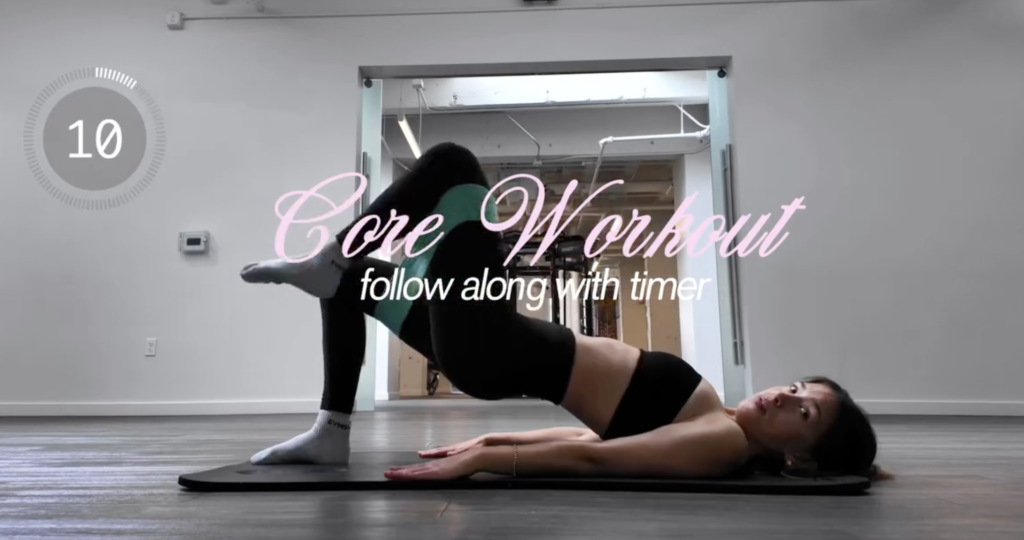
Abs vs. Core: What's the Difference?
I wish I knew earlier the difference between core and ab workouts. Abs are a part of your core, but they’re not your entire core. Your core is made up of your entire midsection, which includes your abdominals, hips, gluteal complex, and low back. Your core is your deep foundation and acts as your body’s stabilizer.
Your abs are more superficial and are located on the front and sides of your midsection. They include your rectus abdominis (aka your six pack muscles), transverse abdominis, and obliques. Your abs help move the trunk, transfer loads between your upper and lower extremities, and enhancing stability. On its own, however, strong abs are not enough to stabilize your deep core.
Since your core is your foundation, it is important that you prioritize core strength using proper form. I’ve noticed a huge difference in my lifts from having a stronger core, like better balance in my lunges, improved posture, and prevention of lower back pain.
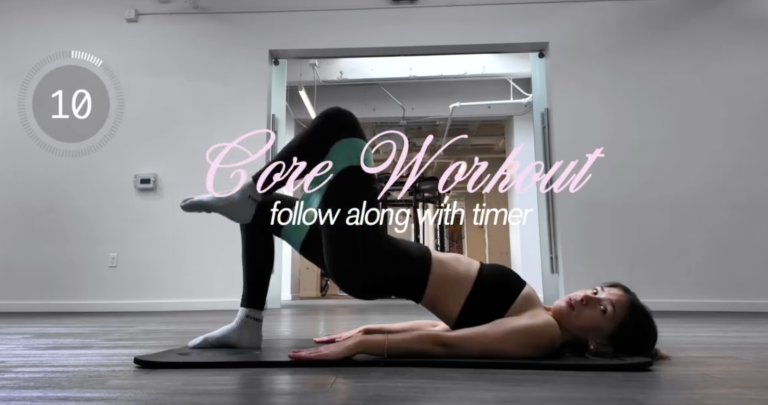
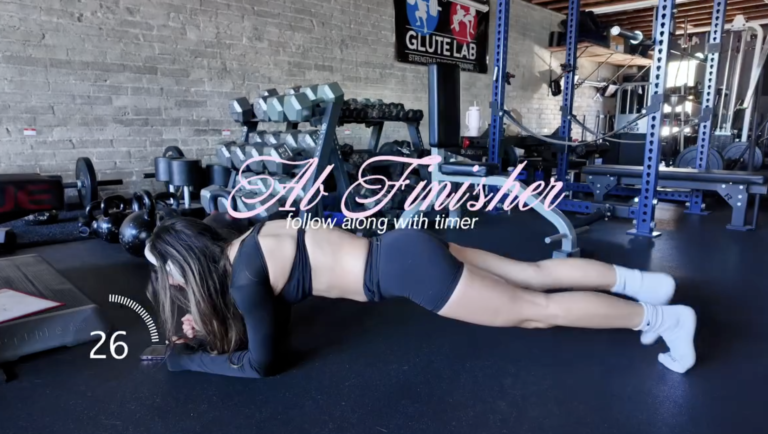
Some of my favorite core exercises include planks, dead bugs, bird dogs, and farmer’s carries. I aim to increase time under tension, and alternate with ab workouts throughout week.
Follow Along Core Circuits
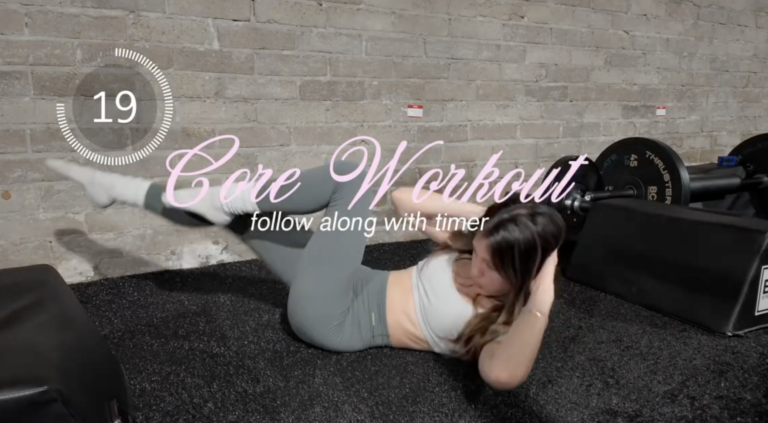
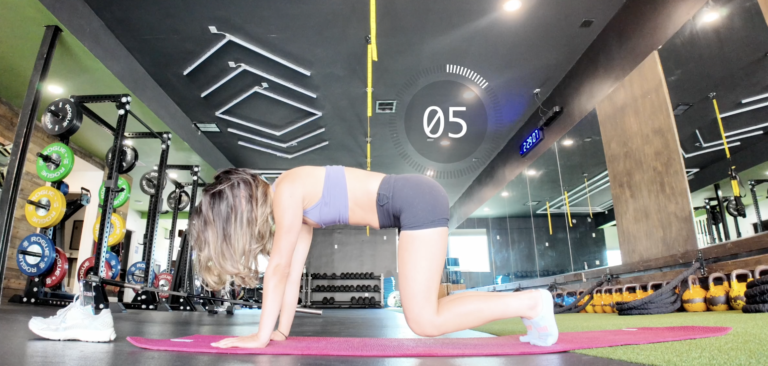
Abs are commonly trained for more visible definition (like the lines you want to see). They don’t directly indicate a strong core, which is why you can see someone with a 6 pack but weak core strength. You train abs like you would any other muscle: through progressive overload. My favorite ab exercises include hanging leg raises, bicycle crunches, ab wheel, and cable crunches. My goal when doing these are to increase reps or weight.
Abs or Core?
So should you train abs or core? NASM’s rule of thumb is to prioritize deep stabilization (core strength) prior to progressing into your more superficial core (which they call ‘global core’). This is because your core is your foundation, so you want to make sure you have a strong starting point prior to adding movement like flexion and extension. If your abs are strong but your core is weak, this may lead to inefficient movements, compensation, or injury.
Once I was able to engage my core properly by drawing my belly button down towards my spine, and keep my back neutral, then I incorporated ab exercises. Now, I alternate throughout the week. I will do 2-3 ab workouts and 2-3 core workouts.
I’ve included my ab and core circuits in this post for your reference. As always, feel free to DM me if you have any questions!
My Program
If you want these follow-along core circuits and ab exercises programmed in a seamless tracking app, check out my 6-week workout program.

Pingback: Bulking vs. Cutting - elisabethbradley.com